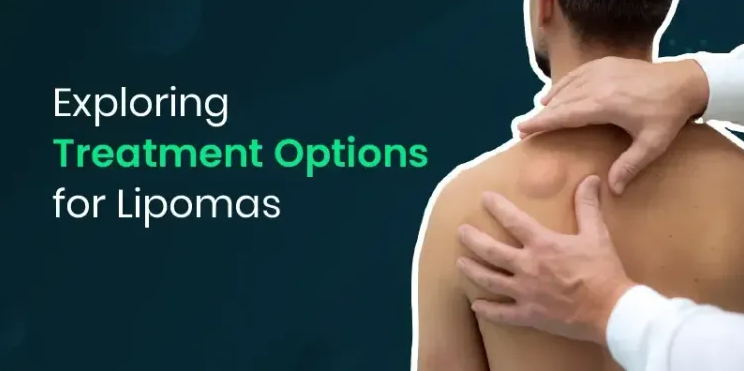
A lipoma is a non-cancerous growth of fatty tissue that slowly develops under the skin. Though often harmless, lipomas can sometimes cause discomfort, pain, or cosmetic concerns, prompting individuals to explore removal options. At Restore Clinic, we understand how overwhelming it can be to decide whether or not you need surgery for a lipoma. Let’s walk through the crucial details to help you make an informed choice.
What Is a Lipoma and Why Does It Occur?
A lipoma is a benign tumor composed of adipose (fat) tissue. These soft, movable lumps generally grow just beneath the skin and are most commonly found on the neck, shoulders, arms, thighs, and back. Though their cause isn’t always clear, some risk factors include:
- Genetic predisposition (familial multiple lipomatosis)
- Middle age (usually between ages 40 and 60)
- Minor injuries triggering localized fat cell overgrowth
Lipomas typically feel doughy and painless, but not all are created equal—some grow large, press on nerves, or develop in uncomfortable areas.
How to Identify a Lipoma
To determine if a lump is a lipoma, consider the following characteristics:
- Soft and squishy texture
- Easily movable under the skin
- Slow-growing, usually over months or years
- Diameter less than 2 inches, though they can grow larger
If a lump feels hard, grows quickly, or is painful, consult a medical professional for a thorough evaluation. Restore Clinic offers ultrasound and MRI diagnostic imaging to differentiate lipomas from other conditions like cysts or sarcomas.
When Should You Consider Surgery for a Lipoma?
While many lipomas don’t require treatment, surgery becomes a strong option under certain conditions:
1. Cosmetic Concerns
If the lipoma is in a visible area, such as the forehead, neck, or arms, and affects your self-esteem, removal is often requested for aesthetic reasons.
2. Pain or Discomfort
Lipomas pressing on nerves or muscles can cause chronic pain or restrict movement. These cases often merit surgical intervention.
3. Rapid Growth
Any sudden increase in size may indicate an atypical lipoma or liposarcoma. A biopsy or removal is strongly advised.
4. Interference with Daily Activities
If a lipoma is located where it rubs against clothing or inhibits motion, such as underarms or joints, removal may be necessary for comfort.
Types of Lipoma Removal Procedures
At Restore Clinic, we tailor treatment based on lipoma size, location, and your medical history. The main surgical options include:
1. Excisional Surgery
The most common method, where a surgeon makes an incision and removes the entire lipoma capsule. This ensures complete removal and reduces recurrence risk.
2. Liposuction
For softer, smaller lipomas, a small tube called a cannula is inserted to suck out fatty tissue. This method leaves minimal scarring, but may carry a higher recurrence rate if not all tissue is removed.
3. Minimal-Incision Extraction
A hybrid approach, useful for cosmetically sensitive areas, offering the balance of effective removal with small incisions.
Is Lipoma Surgery Safe?
Lipoma surgeries are generally safe and outpatient-based with minimal downtime. Common risks include:
- Scarring
- Infection
- Bruising or swelling
- Recurrence of the lipoma
Restore Clinic uses advanced techniques and sterile environments to minimize complications and enhance recovery. Our experienced surgeons provide post-op care and ensure patient comfort throughout the journey.
What to Expect After Lipoma Removal
Recovery varies depending on the procedure type and lipoma size, but here’s a general outlook:
- Same-day discharge
- Mild soreness for 1–3 days
- Stitch removal within 7–10 days
- Minimal scarring with proper wound care
- Return to normal activities in a few days
Patients are advised to avoid heavy lifting and intense physical activity during initial recovery to allow the wound to heal properly.
Non-Surgical Alternatives: Are They Worth It?
There’s no proven medication or therapy to shrink or dissolve lipomas effectively. Home remedies or natural oils may offer temporary relief from discomfort, but do not eliminate the lump. Beware of misleading products or miracle cures online.
Should You Remove Every Lipoma?
Not always. Many lipomas remain small, painless, and benign throughout life. Removal is primarily a personal decision, unless medically advised. It’s essential to get a doctor’s opinion, especially for fast-growing or painful masses.
Why Choose Restore Clinic for Lipoma Surgery?
At Restore Clinic, we prioritize personalized care, safety, and precision. With board-certified surgeons and state-of-the-art facilities, we ensure:
- Accurate diagnosis with imaging support
- Customized surgical plans based on your needs
- Aesthetic-focused techniques for minimal scarring
- Dedicated aftercare for speedy and smooth recovery
Our patients trust us for transparency, expertise, and results—whether it’s for health, comfort, or confidence.
If you’re considering whether to have your lipoma removed, consult with our experts at Restore Clinic to evaluate the best course of action tailored to your needs.