
You are getting ready for the day when you notice a small bump beneath your skin. It was not something you had paid attention to before, and now you are wondering what it could be. Is it a harmless fatty lump? Could it be a cyst? Or does it need a closer look?
Finding an unfamiliar lump can raise questions, but guessing its cause will not give you a reliable answer. Some lumps develop from harmless changes in the body’s tissues, while others need medical evaluation. Paying attention to how a lump develops and seeking advice when something seems unusual can help you make an informed decision.
What Causes a Lump Under the Skin?
Lumps can develop for several reasons. Their location, growth pattern, and associated symptoms may help a doctor determine the likely cause.
1. Lipomas
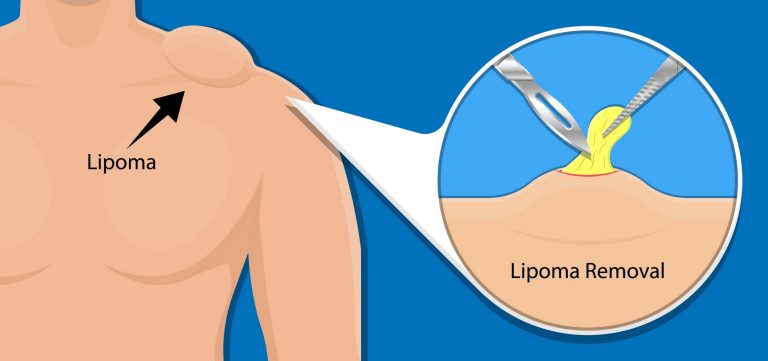
A lipoma is a benign, fatty knot that develops right under the skin. It usually feels soft, shifts a little bit when you press it, and grows at a slow pace. You can often find lipomas on the arms, shoulders, back, thighs, and neck.
Most lipomas do not hurt or need to be treated right away. However, a doctor should assess a lump that grows, becomes painful, or interferes with everyday activities.
2. Cysts
A cyst is a closed pocket that may contain fluid or other material. It can develop near the skin’s surface or deeper within the tissue.
Some cysts remain unchanged for years, while others become swollen, tender, or red. Avoid squeezing a cyst, as doing so can irritate the area and increase the risk of infection.
3. Enlarged Lymph Nodes
Lymph nodes help the immune system respond to infections. When they enlarge, you may notice small lumps around your neck, armpits, or groin.
This swelling often occurs during an infection and may settle as the body recovers. However, a lump that persists, grows, or appears without an obvious explanation should be assessed by a healthcare professional.
4. Infections and Other Tissue Changes
An infection can cause localised swelling, tenderness, warmth, or redness. Some infections may also produce discharge or fever. Other lumps can develop from changes in connective tissue or structures beneath the skin.
Because different conditions can look similar, a physical examination is important when the cause remains unclear.
When Should You Get a Lump Checked?
Not every lump requires urgent treatment, but certain changes deserve medical attention. Arrange an assessment if you notice that a lump:
- Increases in size or changes in appearance.
- Feels hard or seems attached to deeper tissue.
- Remains present without an obvious explanation.
- Becomes persistently painful or returns after treatment.
- Appears alongside other unexplained symptoms.
Seek prompt medical care if redness spreads, pain increases significantly, or you develop a fever. A rapidly growing lump also warrants timely evaluation.
These signs do not always mean you have a serious problem. They mean that a doctor should investigate the cause rather than relying on appearance alone.
How Do Doctors Assess a Lump?
Your doctor will ask when you first noticed the lump, whether it has changed, and whether you have experienced discomfort or other symptoms. They will examine its size, location, texture, and movement.
Depending on the findings, an ultrasound or another imaging test may help assess the lump. A biopsy or additional investigation may be recommended if its nature remains uncertain.
Treatment depends on the diagnosis. Some lumps need monitoring, while others require medication or a procedure.
How Can You Treat a Lipoma?
A confirmed lipoma that remains small and causes no problems may only need observation. Removal may be considered if it grows, causes discomfort, restricts movement, or raises diagnostic concerns.
If a lipoma needs removal, a doctor can explain the available options after examining the growth. In suitable cases, lipoma removal surgery may be considered based on its size, location, and individual circumstances.
Not every lump is a lipoma, and different conditions require different approaches. A proper diagnosis should always come before deciding on treatment.
When Should You Consult a Doctor?
A lump under your skin might be completely harmless, but you should pay attention if it changes in size, feels different, or if the skin around it changes. A thorough checkup can help find the likely cause and show if you need any treatment.
At Restore Clinics, Dr Ashish Sangvikar can help patients discuss their concerns and understand appropriate next steps following an assessment.
Frequently Asked Questions
1. Can a lump under the skin be harmless?
Yes. Lipomas and some cysts are examples of benign lumps. A doctor can assess the lump and recommend further tests if needed.
2. Are lipomas usually painful?
Most lipomas are painless. Some may cause discomfort depending on their size or location. New or persistent pain should be evaluated.
3. Can a lipoma go away on its own?
Lipomas generally remain in place rather than disappearing naturally. If a doctor confirms that the growth is harmless and causes no problems, monitoring may be sufficient.
4. Which tests can help identify a lump?
A physical examination is usually the first step. Depending on the findings, a doctor may recommend an ultrasound, other imaging tests, or a biopsy.
5. Does every lipoma need surgery?
No. Removal is not always necessary. A doctor may discuss surgery if the lipoma causes discomfort, grows, affects movement, or requires further investigation.