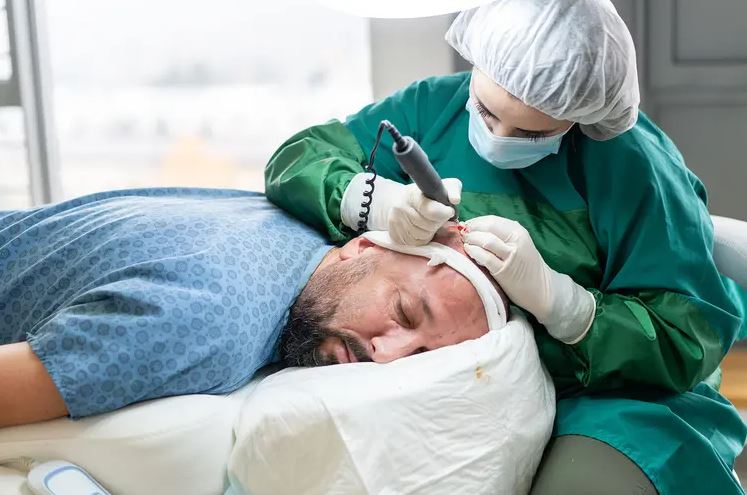
Hair loss is a common concern among both men and women, and choosing the right treatment can feel overwhelming. With advancements in medical technology, hair transplant procedures have become safer, more effective, and natural-looking. Two of the most trusted techniques today are FUE and FUT hair transplant methods.
At Restore Clinic, patients looking for hair transplant treatment in Mumbai receive expert guidance and personalized care under the supervision of Dr. Ashish Sangavikar. This guide will help you understand both techniques and decide which option may be right for you.
Understanding Hair Transplant Procedures
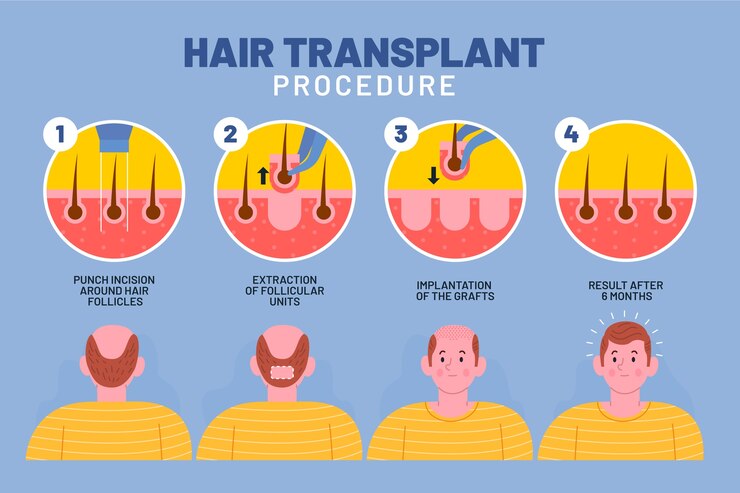
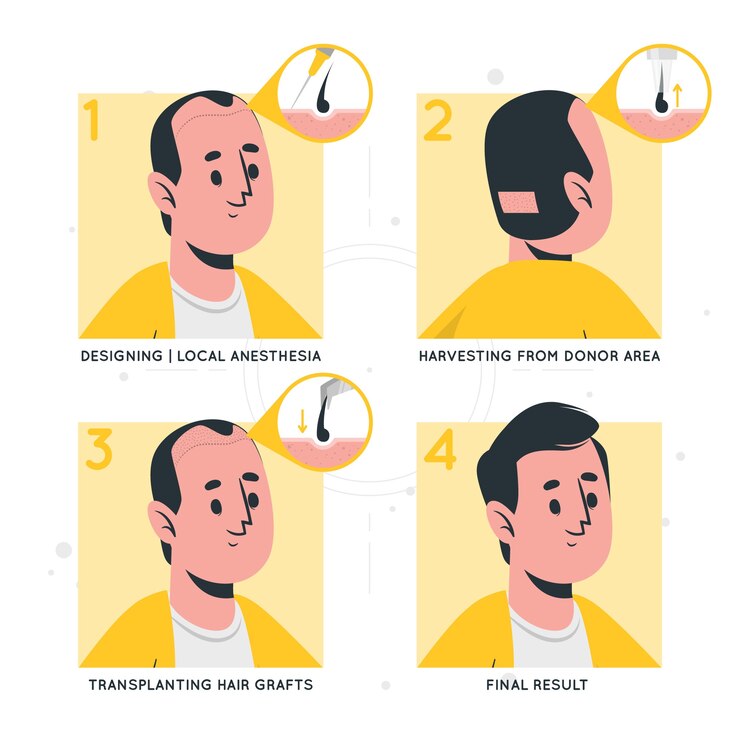
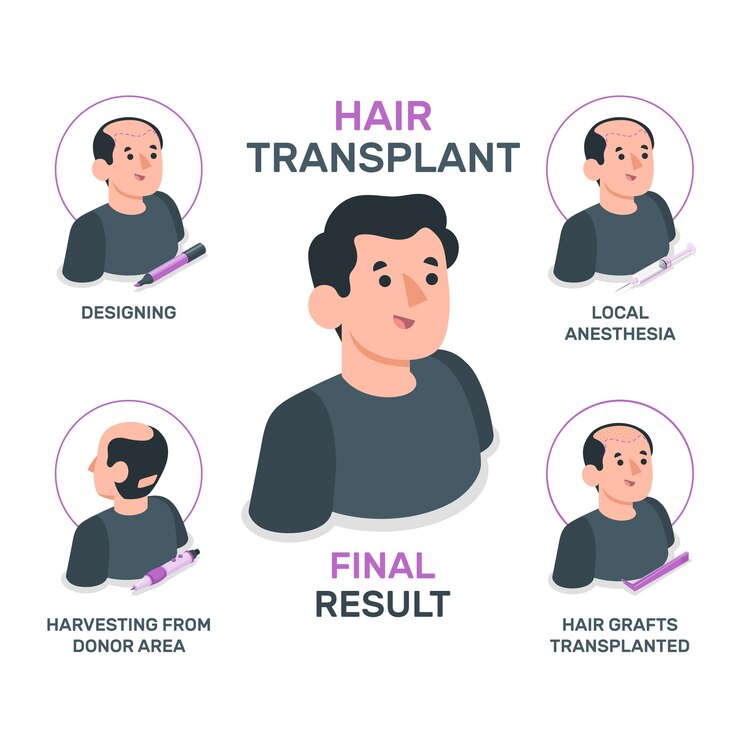
A hair transplant is a medical procedure where healthy hair follicles are taken from a donor area usually the back or sides of the scalp and implanted into areas affected by thinning or baldness. The success of the treatment depends on the method used, the surgeon’s expertise, and individual hair characteristics.
What Is FUE Hair Transplant?
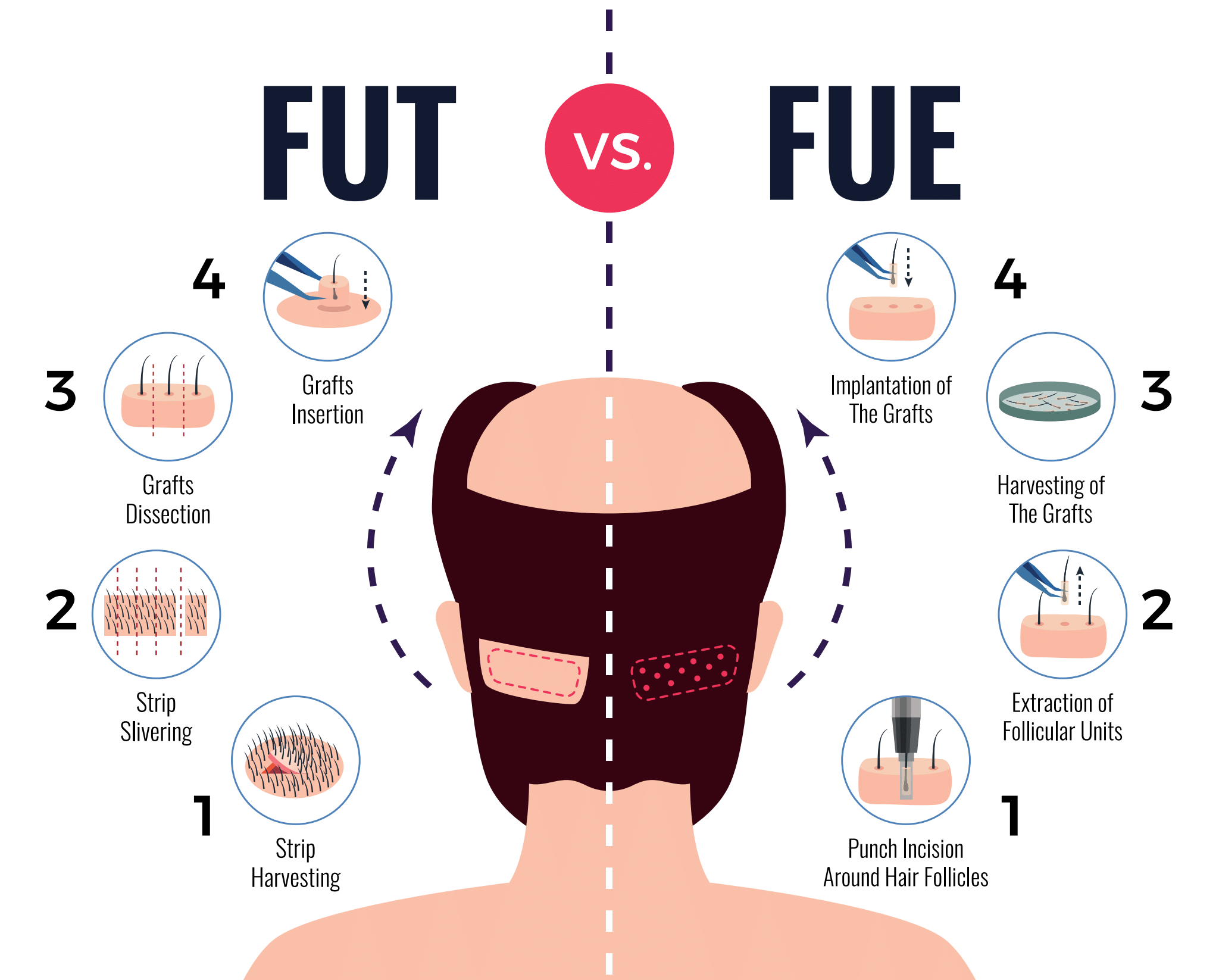
FUE, or Follicular Unit Extraction, is a modern technique where individual hair follicles are carefully extracted and transplanted into the recipient area. This method does not require stitches and leaves very minimal scarring.
Why patients choose FUE:
- Minimally invasive procedure
- No visible linear scar
- Faster healing time
- Ideal for patients who prefer short hairstyles
Many patients opting for hair transplant in Mumbai choose FUE for its precision and discreet recovery.
What Is FUT Hair Transplant?
FUT, also known as the strip method, involves removing a thin strip of skin from the donor area. Hair follicles are then separated under a microscope and implanted into bald or thinning areas.
Why FUT is still preferred by some patients:
- Suitable for advanced hair loss
- Allows transplantation of a larger number of grafts
- Cost-effective option
- Strong and long-lasting results
Although FUT leaves a linear scar, it is usually hidden by surrounding hair and does not affect the final outcome.
Key Differences Between FUE and FUT
Both techniques are effective, but they differ in approach and recovery:
- Scarring: FUE leaves tiny dot scars, while FUT results in a thin linear scar
- Recovery: FUE generally offers quicker healing
- Graft requirement: FUT may be better when a higher number of grafts are needed
- Procedure time: FUE can take longer due to individual graft extraction
The choice depends on your hair loss pattern, donor area condition, and lifestyle.
Which Hair Transplant Method Is Right for You?
- Degree of hair loss
- Hair density and quality
- Scalp condition
- Budget and expectations
- Long-term hair restoration goals
Dr. Ashish Sangavikar carefully assesses each case to recommend the most suitable technique, ensuring natural hair growth and long-term satisfaction.
Cost Considerations
The cost of hair transplant treatment varies depending on the technique used and the number of grafts required. FUE generally involves a higher investment due to advanced technology, while FUT is often more economical for extensive hair loss.
A detailed consultation at Restore Clinic helps patients understand treatment options, expected results, and transparent pricing.
Recovery and Results
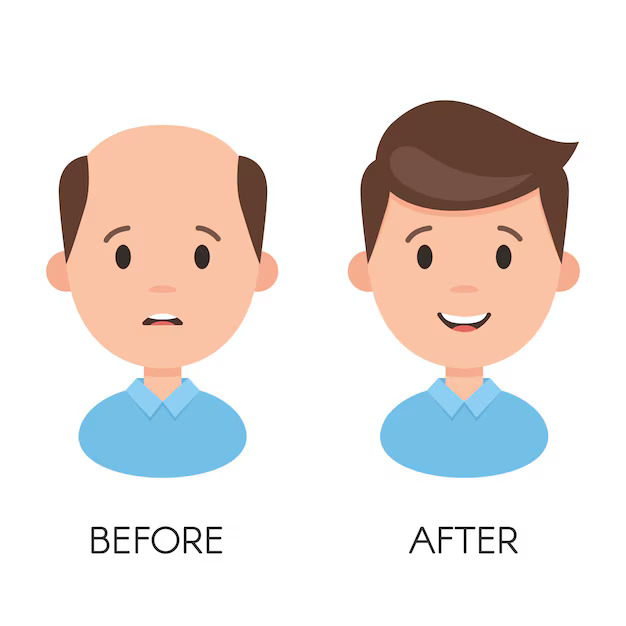
Both FUE and FUT deliver permanent results when performed correctly. Initial hair shedding is normal, and new hair growth typically begins within a few months. Visible improvement is seen over time, with full results developing gradually.
Proper post-procedure care and follow-up play an important role in achieving the best outcome.
Why Choose Restore Clinic in Mumbai?
Restore Clinic is a trusted destination for advanced hair restoration procedures. Under the expertise of Dr. Ashish Sangavikar, patients benefit from:
- Personalized treatment planning
- Advanced hair transplant techniques
- Natural hairline design
- Ethical and patient-focused care
Final Thoughts
Choosing between FUE and FUT hair transplant methods is an important step in your hair restoration journey. At Restore Clinic, under the expert guidance of Dr. Ashish Sangavikar, each patient receives a detailed evaluation to determine the most suitable technique. Both procedures are proven and effective—the key lies in selecting the right approach based on your individual hair loss pattern, goals, and long-term expectations.