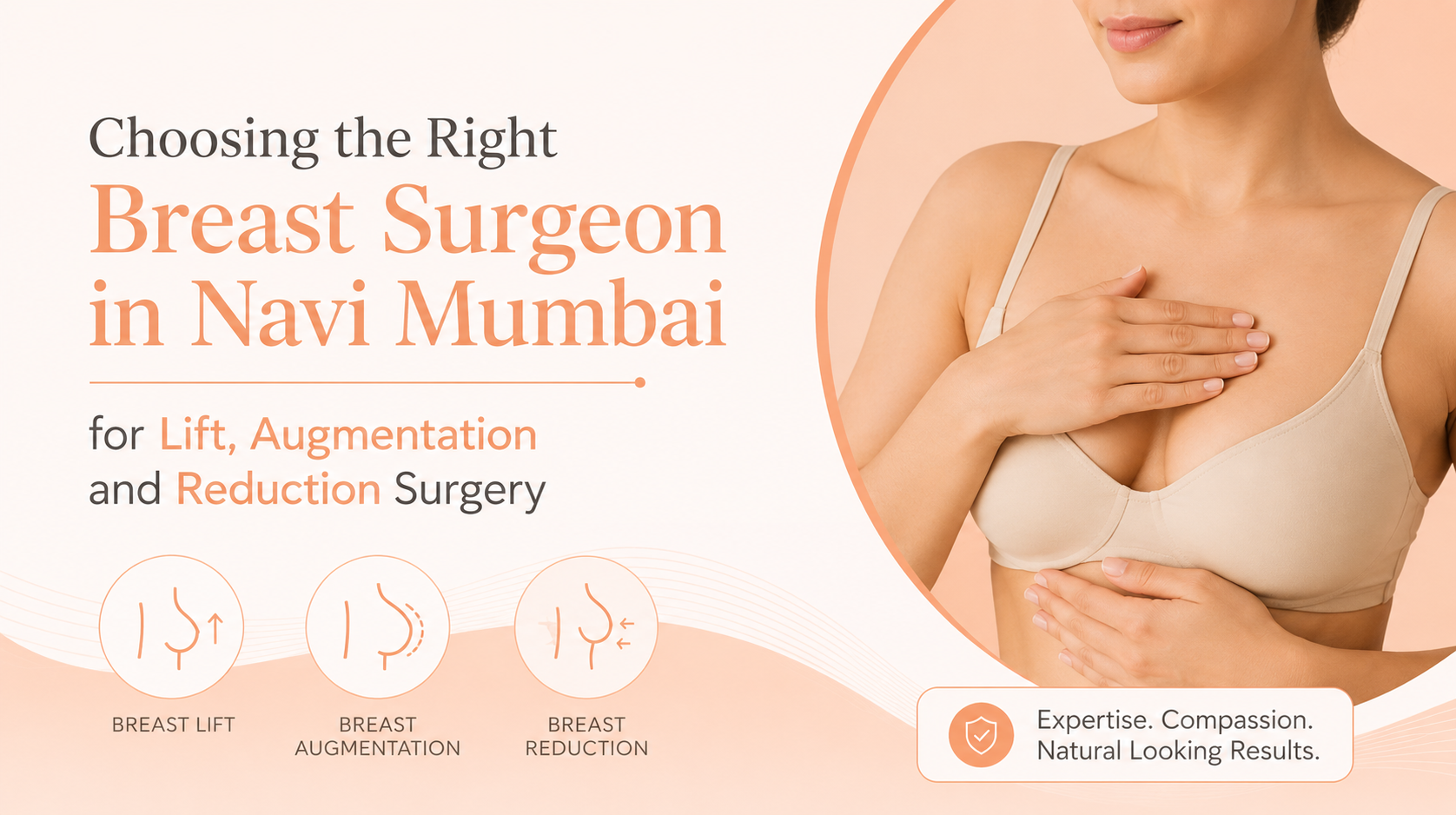
Most women researching breast augmentation in Mumbai start with the same question — “Which size should I go for?” However,experienced plastic surgeons know that choosing the right implant size is only one part of the decision. Factors such as implant material, incision placement, implant positioning, and your individual anatomy all play a significant role in achieving natural-looking, long-lasting results.
During a detailed consultation, these factors are carefully evaluated to create a treatment plan tailored to your body type and aesthetic goals rather than following a one-size-fits-all approach. Understanding these lesser-known aspects before surgery can help you ask the right questions and make a more informed decision about breast augmentation procedure in Navi Mumbai.
1. You Have Two Fundamentally Different Approaches to Choose From
Most people assume implants are the only option, but Restore Clinics offers two clinically proven methods:
Breast implant surgery — the most widely chosen method, using internationally approved saline or cohesive silicone gel implants.
Autologous fat transfer — a completely implant-free approach where fat is harvested from the abdomen, back, or thighs via liposuction, purified, and injected into the breasts. It suits women wanting a modest-to-moderate increase, with the added bonus of slimming the donor area.
2. Not All Implants Work the Same Way
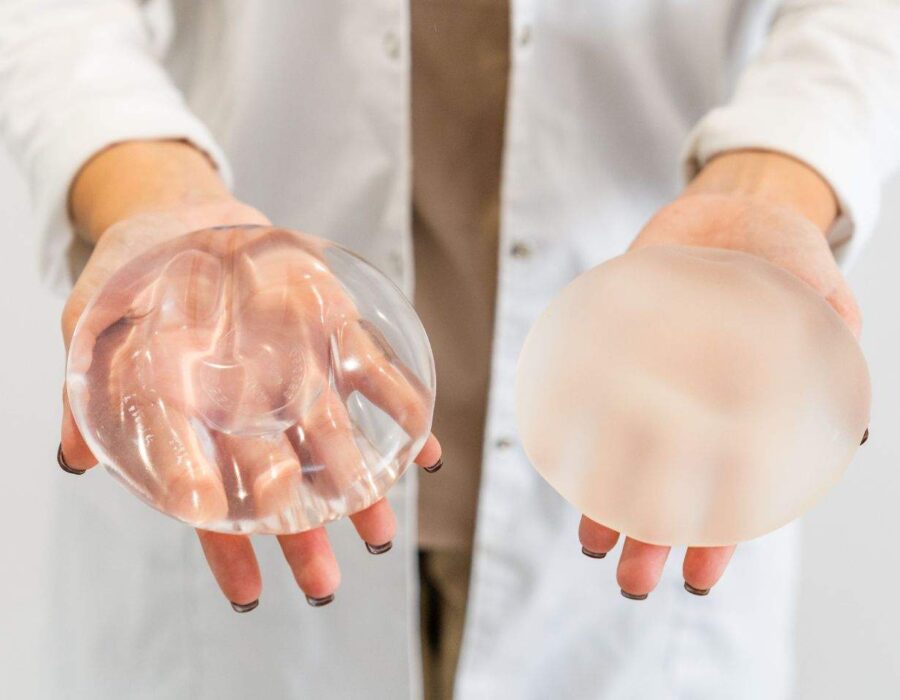
If you go the implant route, there are two implant materials to choose between:
Saline implants — a silicone shell filled with sterile salt solution. These come pre-filled or as adjustable-volume implants that can be fine-tuned for size during the surgery itself — a detail most people never know is possible.
Silicone gel implants — filled with cohesive gel that closely mimics natural breast tissue. These are the most frequently chosen option at Restore Clinics for their natural look and feel.
3. The Incision Site Is Chosen Based on Your Body, Not a Default
A small 3–5 cm incision is required, and it can be placed in one of four locations depending on anatomy and preference:
- Inframammary (the breast fold)
- Periareolar (edge of the areola)
- Transaxillary (armpit)
- Transumbilical (navel)
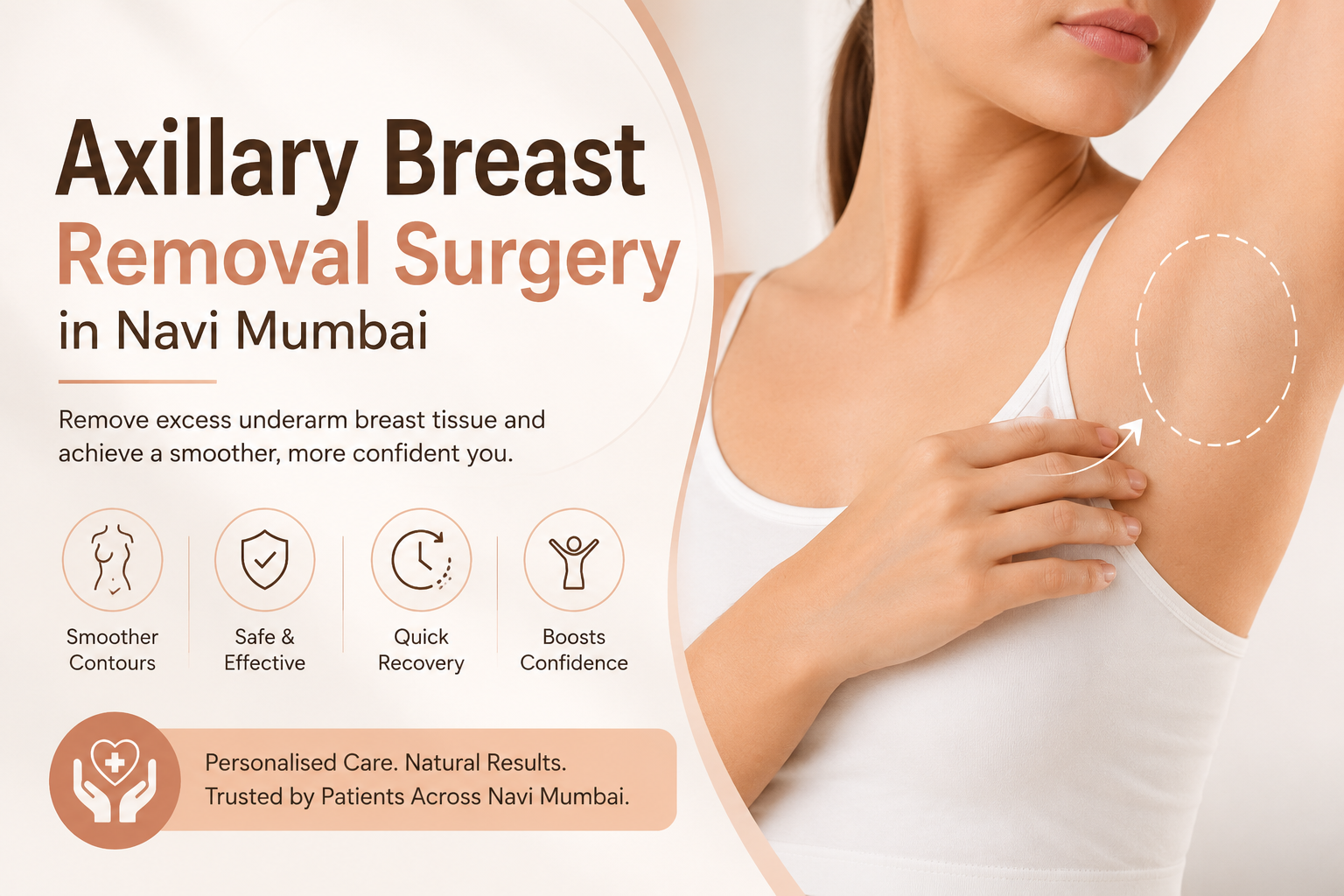
This is decided during personalised consultation, not standardised across every patient.Some women also have excess breast tissue in the underarm (axillary) area, which can affect overall breast contour. In such cases, Axillary Breast Removal Surgery may be recommended alongside or separately from breast augmentation to achieve a smoother, more balanced appearance.
.
4. Where the Implant Sits Has Three Options, Not Two
Most people have heard of “above or below the muscle,” but there’s actually a third technique:
- Subglandular — between the breast tissue and muscle
- Submuscular — behind the chest muscle
- Dual Plane — partially behind both, blending elements of each
The choice depends on breast anatomy and skin thickness, and it’s a major factor in how natural the final contour looks.
5. The Surgery Itself Is Shorter Than Most People Expect
The full procedure — from incision to closure — typically takes about 1 to 2 hours under general anaesthesia. Incisions are closed with fine, dissolvable sutures that don’t require removal, and most patients go home the same day or the following morning.
6. Recovery Has a Fairly Predictable Timeline
Here’s roughly what to expect if the procedure goes ahead:
| Timeframe | What’s Happening |
| Days 1–3 | Mild-to-moderate soreness and tightness; avoid raising arms overhead |
| Week 1–2 | Light daily activity and desk work usually possible; sleep on your back |
| Week 3–4 | Swelling noticeably reduces; follow-up review with your surgeon |
| Week 4–6 | Gradual return to more active routines; supportive bra worn 6–12 weeks total |
| 3–6 Months | Implants fully settle; final shape and feel become clear; scars continue fading |
7. Your Surgeon’s Specific Training Matters More Than You’d Think
Not every cosmetic surgeon has the same background. Dr. Ashish Sangavikar is a board-certified Plastic, Cosmetic & Microvascular Reconstruction Surgeon with an M.Ch in Plastic Surgery from Grant Medical College & J.J. Group of Hospitals, Mumbai, plus specialised post-residency training in Microvascular Reconstruction Surgery at Tata Memorial Hospital. He also completed a fellowship in Advanced Cosmetic Surgery & Minimal Invasive Breast Implant Surgery at the Wellness Clinic in Genk, Belgium — one of Europe’s top cosmetic surgery centres. This kind of specialised training is directly linked to safer surgeries and fewer complications, a link also highlighted by the American Society of Plastic Surgeons in its patient safety guidance on board-certified surgeon selection.
What Are the Real Risks?
No cosmetic procedure is risk-free, and a transparent surgeon will walk you through these before recommending anything:
- Temporary swelling, bruising, or discomfort — managed with prescribed medication
- Temporary changes in nipple or breast sensitivity — usually resolves within a few months
- Capsular contracture — scar tissue forming around the implant, managed through proper surgical technique
- Implant displacement or asymmetry — rare with precise placement
- Scarring — minimal with modern techniques, fading significantly over 12–18 months
- Infection — prevented through antibiotics and strict sterile protocol
These risk profiles are broadly consistent with those outlined by the International Society of Aesthetic Plastic Surgery (ISAPS), which publishes global safety standards for breast implant procedures.
Who Is Actually a Good Candidate?
This procedure is generally suited to women who:
- Have naturally small or underdeveloped breasts
- Notice visible asymmetry between the two breasts
- Have lost volume or firmness after pregnancy, breastfeeding, or weight loss
- Want improved proportion or a more balanced silhouette
- Are in good general health with realistic expectations
- Are non-smokers, or willing to stop 4–6 weeks before and after surgery
- Are at least 18 years old with fully developed breasts
- Are not currently pregnant or breastfeeding
At Restore Clinics, surgery is never approved without a full pre-surgical evaluation of health, anatomy, lifestyle, and goals.
Why Choosing the Right Plastic Surgery Clinic Matters
A few practical points are worth knowing about the clinic’s approach:
- The surgical technique draws on European training standards, applied locally rather than requiring travel abroad.
- Treatment plans are worked out individually rather than following a fixed protocol.
- Pricing is itemised and discussed upfront during consultation.
- Post-operative care includes structured follow-up reviews rather than a single check-in.
- The clinic is accessible from Vashi, Kharghar, Nerul, Belapur, Panvel, and nearby areas of Navi Mumbai.
You can read the complete breast augmentation procedure and pricing details, or visit the Restore Clinics homepage to explore other treatments.
Frequently Asked Questions
1] Are implants or fat transfer better? Neither is universally “better” — implants suit those wanting more predictable, larger volume increases, while fat transfer suits women wanting a subtler change without synthetic material. Your consultation determines the right fit.
2] Can implant size be adjusted during surgery? Yes, with adjustable-volume saline implants, fine-tuning is possible during the procedure itself — this isn’t the case with pre-filled silicone gel implants.
3] How long does the surgery take? The procedure typically takes about 1 to 2 hours under general anaesthesia.
4] Will I need stitches removed? No. Incisions are closed with fine, dissolvable cosmetic sutures that don’t require removal.
5] What’s the most serious risk to be aware of? Capsular contracture — scar tissue forming around the implant — is one of the more significant risks, though it’s managed through proper surgical technique.
6] How long until swelling fully resolves? Implants typically settle into their final position within 3 to 6 months, at which point the final shape and feel become fully visible.
7] Does smoking affect eligibility? Yes — candidates are generally advised to stop smoking at least 4–6 weeks before and after surgery.
Conclusion
If you’re considering breast implants in Navi Mumbai and want expert guidance tailored to your needs, schedule a consultation with Dr. Ashish Sangavikar at Restore Clinics. A personalised assessment can help you understand your options, including the different types of breast implants, and recommend the most suitable approach for achieving natural-looking results safely and confidently.